Method · Buying Guides
What to Budget for Alterations, and What to Skip
Typical US alteration costs by job, which ones change fit rather than style, and when the tailor's bill passes the price of the garment.
A $180 pair of trousers that needs a $30 hem and a $40 waist take-in is a $250 pair, and the register will not say so. Alterations are part of the purchase price rather than an afterthought, and the bill is predictable enough to plan for before you pay. What follows is a budget, not a quote sheet: every figure is a range, and the range is the point.
What the seam allowance buys
Everything cheap about alterations depends on cloth the manufacturer left inside the seam. The industrial standard is 1.5 cm, or 5/8 inch: enough for one hem, or for a waist take-in of up to about 2 inches spread across the side and center-back seams.
At 1 cm there is almost nothing to work with, and at 5 mm the seam has been trimmed for a clean overlock finish, which forecloses every future adjustment. Turn the garment inside out at the side seam and the center back, and look at the width of fabric beyond the stitch line.
Two constructions remove the allowance entirely. A French seam, common on lightweight shirts, folds the raw edges inside itself, so there is no excess to let out. A flat-felled seam, common on denim, consumes the allowance in the fold. Both are stronger than an overlock and neither can be widened.
Four jobs worth budgeting for
Most of the distance between a garment that fits and one that does not is covered by four jobs: hem, waist, sleeve length and strap. They are the cheap jobs, they can be redone if the first attempt is wrong, and they adjust parts of the garment whose structure is already correct.
The dividing line is the shoulder and the rise. A jacket whose shoulder seam sits past your shoulder point, or trousers whose rise puts the waistband in the wrong place, need structural work that costs more than the garment is worth. If those two are wrong, the alteration is fixing a sizing decision, and it will lose.
Reading the ranges
The table gives ranges rather than prices because the same job has no single price. The low end is a dry cleaner in a smaller metro; the high end is a dedicated tailor or workroom in an expensive city. Rates in the second case run roughly 30 to 50 percent above the first, and the gap widens between a shop that hems and one that recuts.
| Job | Typical range (USD) |
|---|---|
| Trouser hem, plain | $15-$40 |
| Jeans hem, chain stitch | $18-$35 |
| Waist take-in | $20-$50 |
| Trouser leg taper | $25-$55 |
| Sleeve shorten, plain cuff | $18-$38 |
| Sleeve shorten, working buttons | $45-$85 |
| Jacket waist suppression | $50-$95 |
| Shoulder narrow | $90-$200 |
| Lined skirt hem | $25-$50 |
| Coat hem | $60-$130 |
| Replace a zipper | $25-$65 |
| Let out a seam | $20-$45 |
Read the ranges as bands, not quotes. A $15 trouser hem exists and so does a $40 one, and the difference is usually labor market rather than quality. The exception is the sleeve with working buttonholes: each one is unpicked and re-sewn by hand, which is why the low end of that range is more than double a plain sleeve.
What the tailor cannot hide
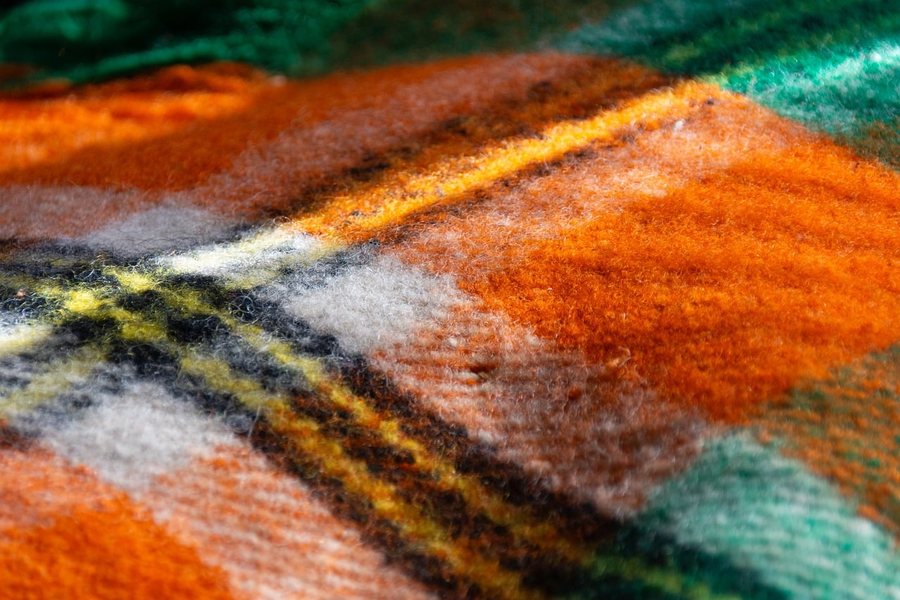
Some jobs cost more because the cloth refuses to be fooled with. A plaid, a stripe or a check has to be matched at every seam the alteration moves, and matching is handwork. A fabric with a nap, such as velvet or brushed wool, shows the direction of the pile wherever a new seam is pressed. A coated, bonded or patent surface holds every needle mark, so a garment that is slightly too big stays slightly too big.
Moving a waist also moves the pockets, and a pocket that lands half an inch off the hip is more visible than a waist that is half an inch loose. Shortening a lined sleeve means opening the lining, adjusting it separately and closing it again, which is why a lined jacket sleeve is never priced like a shirt sleeve.
Where the bill passes the garment
Two jobs break budgets. A coat hem at $60 to $130 is 30 to 65 percent of a $200 coat, because a coat hem is hand-finished and the lining has to be dealt with. A shoulder narrow at $90 to $200 is more than many jackets cost, and it is one-way: the sleeve comes off, the armhole is recut, and the cloth keeps the stitch marks from the first attempt.
The working rule is a percentage, not a dollar figure. If a quote passes 30 percent of the purchase price and the job is not a hem, return the garment and try another size. If it passes 50 percent, the alteration has become the purchase, and the money should go toward a garment that fits instead. A $40 waist take-in on $60 trousers is not a bargain; it is evidence that the trousers were the wrong purchase.
The costs that never appear on the quote
Pressing is often billed separately at $5 to $15. A rush job commonly adds 25 to 50 percent. Some shops charge for a second fitting, and a job that has to be redone because the pins were wrong can cost twice.
Ask for the out-the-door price, pinned, before you leave the garment. Then ask when it will be ready. A two-week turnaround means two trips across town, and the second trip belongs in the real cost alongside the fee. If the garment is needed for a date, work backward from that date rather than from the day you bought it.
When to skip the alteration
Skip it when the garment needs two structural jobs rather than one, when the cloth is coated or bonded and will hold every needle mark, or when the alteration is an attempt to correct the shoulder or armhole of the wrong size.
Skip it, too, when the garment is new enough to return. A refund costs nothing and takes one trip. The tailor’s bill is only worth paying on a garment you would otherwise keep at full price, and a return is the cheaper correction every time the size is still available. Which alterations change fit rather than style sorts the jobs by what they actually achieve.
A year of alterations
Budget 10 to 15 percent of the purchase price for the four predictable jobs, and keep it in a separate line. On a $200 jacket that is $20 to $30, which covers a plain sleeve shortening at the low end and not much else, so the figure is a floor rather than a forecast.
Across a year, the pattern is uneven. Most purchases need nothing; one or two need a hem and a waist; occasionally a coat needs a $100 hem that was worth planning for. The habit that keeps the total down is deciding the shoe before the hem is pinned, and checking the seam allowance before the card. Both take a minute, and both lower the cost per wear of the garment that survives them.
Frequently asked
- How much should I set aside for alterations when buying clothes?
- Around 10 to 15 percent of the purchase price for the predictable jobs: hem, waist, sleeve length and strap. Keep it separate from the clothing budget, because a $200 jacket with a $35 sleeve adjustment is a $235 jacket, and the second number is the one you actually spent.
- Is it cheaper to buy a size up and have it taken in?
- Sometimes, but only at the waist and only within about 2 inches. Buying up to fix a shoulder or armhole rarely works, because those seams have little allowance and the job costs $90 to $200. Buy the size that fits the shoulder and the rise, then adjust what is cheap to adjust.
- Why do alteration quotes vary so much between shops?
- A dry cleaner who hems trousers and a workroom that recuts a jacket are doing different jobs at different labor costs. High-cost cities also run 30 to 50 percent above smaller metros for the same task, so a quote is only meaningful next to another quote in the same city.