Method · Buying Guides
Five Categories Where Paying More Buys Little
Five categories where a cheaper garment does the same job, the construction signals that separate good from bad, and where saving backfires.
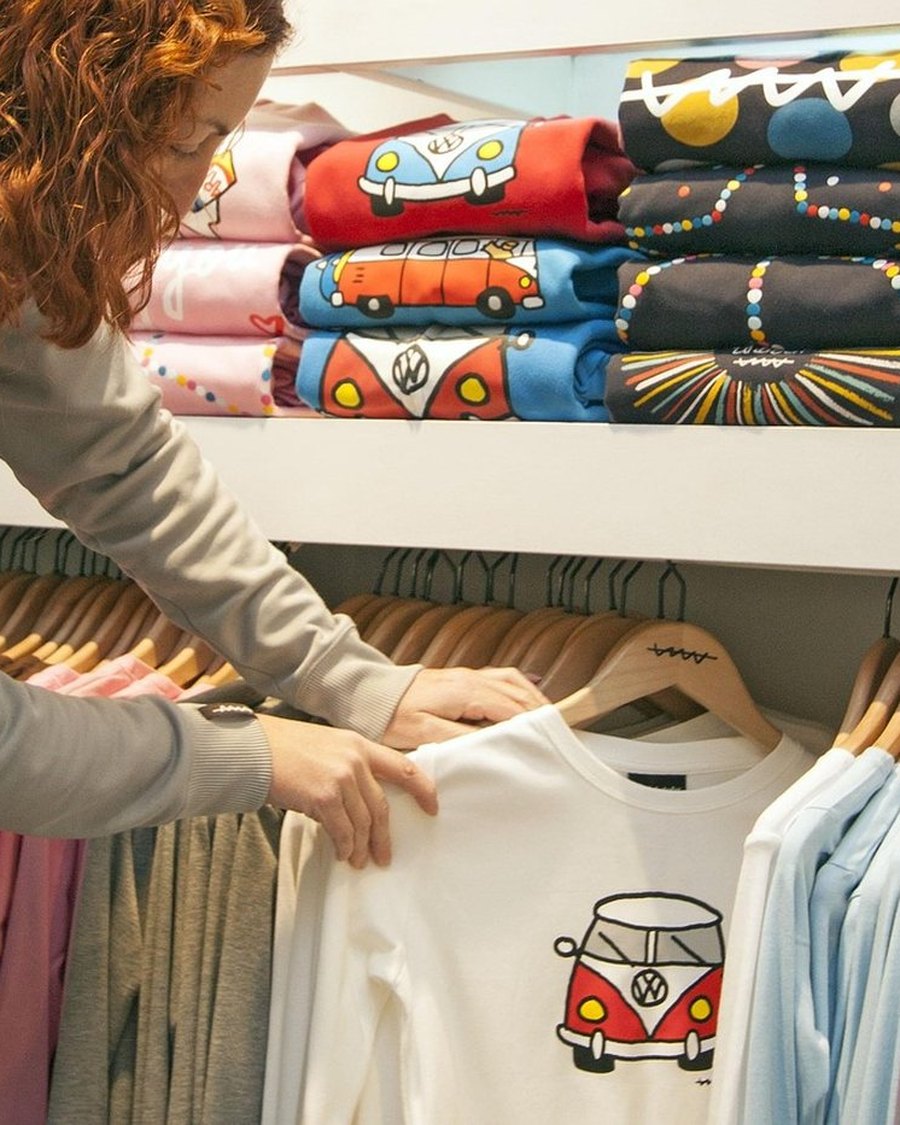
A $28 cotton tee and a $78 cotton tee can present the same 180 GSM jersey, the same straight hem and the same shoulder seam. What usually separates them is the neck rib, the seam allowance inside and the depth of the dye, and only one of those three changes how the tee wears. Paying more buys something. It does not buy everything, and it buys least in five categories.
One condition that covers five categories
A garment fails when the cloth is asked to absorb more rubbing, washing and flexing than its fiber and its stitches can take. That load, per wear, is the variable worth pricing. Cheap is right where the load is low and wrong where it is high, and the five cases below are all low-load situations for a stated reason.
There is a second condition: how long the garment has to stay in use. A shape that will date in two seasons does not need cloth that survives ten, because the cloth is not what ends its life. Both conditions are checkable before purchase, and neither of them is the price tag.
Trend shapes that expire before the cloth does
The cost of a trend piece sits in the pattern, not the cloth: a barrel leg, an exaggerated collar, a cropped bomber. You cannot know whether you will want it in three years, so paying for ten-year cloth is paying for an undecided future.
Cheaper is right when the silhouette is the reason for buying and you can name the outfits it completes. If you cannot name three, it is not a trend purchase; it is an experiment, and experiments should be cheap. Expect two or three seasons, check the fiber content and the seam finish, and do not pay for hand-worked detail that the shape will outlive.
Cotton jersey: the neck decides
Weight explains most of the difference between a tee that reads opaque at the shoulder and one that behaves as underwear. At 180 GSM and up, a cotton jersey usually holds its shape through a season of washing. Below about 150 GSM it is a base layer whatever the price, and no amount of finishing changes that.
Three construction details matter more than the label. The neck rib should be at least 1 cm wide and attached with a seam that is taped or bound underneath, because a narrow folded band has little material to spring back and is the first part to go wavy. Side seams hold the body straighter through repeated washing than a tubular knit, which twists as it shrinks. And the shoulder seam should land on the shoulder point rather than an inch down the arm.
Above those thresholds, extra money buys dye depth, a softer finish and a name. None of it changes how the tee wears. Three white tees compared by yarn and neckline shows how much of the price difference sits in the collar alone.
Linen: creases are not a fault
Linen creases by design, so a premium for a pressed finish does not survive the first hour of wearing. The differences that matter are weight, seam finish and whether the collar has interlining.
Shirting linen is commonly 140 to 200 GSM. Under about 120 GSM the cloth turns translucent at the shoulder and creases into folds that will not hang out, which is a weight problem rather than a price problem. A cheap shirt at 160 GSM with flat-felled side seams and a fused or interlined collar has dealt with the two failure points, the seam and the collar. What you give up at the bottom of the market is softness: coarser yarn, more slubs, a stiffer first wash.
The check takes ten seconds. Hold the shirt up against a window: if the outline of your hand is visible through a single layer at the shoulder, it will be visible under office lighting too.
Knits that never touch skin
A sweater that sits over a collared shirt touches skin only at the neck and cuffs, is washed less often and sees little abrasion at the underarm. Pilling comes from abrasion, and staple length decides how much rubbing a yarn can take before short fibers work loose. A cheaper wool blend has less chance to fail in that role, because the role never asks it to.
The signal is behavioral, not visual: you wear it over a collar, and you own enough shirts to keep it off your body. The same sweater worn alone, weekly, is a different purchase and deserves the better yarn, because a knit against skin meets deodorant, friction and frequent washing at once.
Occasionwear with a short calendar
A wedding guest dress or a formal jumpsuit is worn four times, stored in a bag and never reaches the abrasion that separates good cloth from poor. The fabric’s job is to photograph well and hold a shape for six hours.
The signal: fewer than five wears a year and no plan to wear it monthly. Spend the difference on alterations instead, so the hem and strap are right, which is what the photographs actually record. Which alterations are worth the money sorts the jobs by what they change.
Five checks before you pay less
The same tests work across all five categories, and they take about a minute in a fitting room.
- Seam allowance. Turn the garment inside out. The industrial standard is 1.5 cm, or 5/8 inch, enough for one hem or one waist take-in. A trimmed 5 mm overlocked edge means nothing can be adjusted later.
- Seams that are finished twice. Flat-felled, bound or French seams cost more to sew and survive more washes than a raw overlock. On lightweight cloth they also stop the seam from grinning open.
- The neck and cuffs. A rib at least 1 cm wide with some elastane, joined with a taped seam, outlasts a folded band every time.
- Buttons and bar tacks. A button sewn with a thread shank sits flat over a placket, and a spare button on the label suggests the maker expects the garment to be worn. Bar tacks at pocket corners stop the pocket from tearing out.
- A care label with fiber percentages. If it does not state what the cloth is made of, the price is a claim rather than a specification.
Where the saving backfires
Price tracks something real in four places. Tailoring with a canvas and a shoulder that can be adjusted; shoes with a stitched sole a cobbler can rebuild; outerwear with a waterproof claim, where the cheap version usually fails at the seam tape; and any knit worn against skin weekly. In each, the cheap version cannot be repaired into a good one, so the saving is a delay rather than a discount.
None of this is a rule about brands. Price and quality correlate weakly and unevenly, and one label can produce both. That is also why cost per wear is worth running on the two versions in front of you, rather than on the category.
Frequently asked
- Is an expensive white tee worth it over a cheap one?
- Only if the extra money goes into weight and the neck. A 180 GSM cotton tee with a 1 cm rib and side seams does the job at almost any price. Above that, you are usually paying for dye depth, finishing and the label, which do not change how the tee wears.
- Where should I never save money on clothing?
- Tailoring, shoes and anything with a waterproof claim. A jacket shoulder, a stitched sole and a taped seam are three places where a cheap version cannot be repaired into a good one, and where the failure shows within a season of regular wear.
- How can I tell a cheap garment is well made?
- Turn it inside out. Look for seam allowance wide enough to let out, flat-felled or bound seams instead of raw overlocking, a rib at the neck rather than a folded band, and buttons sewn with a shank. Those four checks predict more than the price tag does.