The office · Workwear
Which Tailoring Alterations Are Worth the Money
Hem, waist, sleeve and shoulder: what each alteration costs in the US, whether it can be undone, and which garments no tailor can rescue.
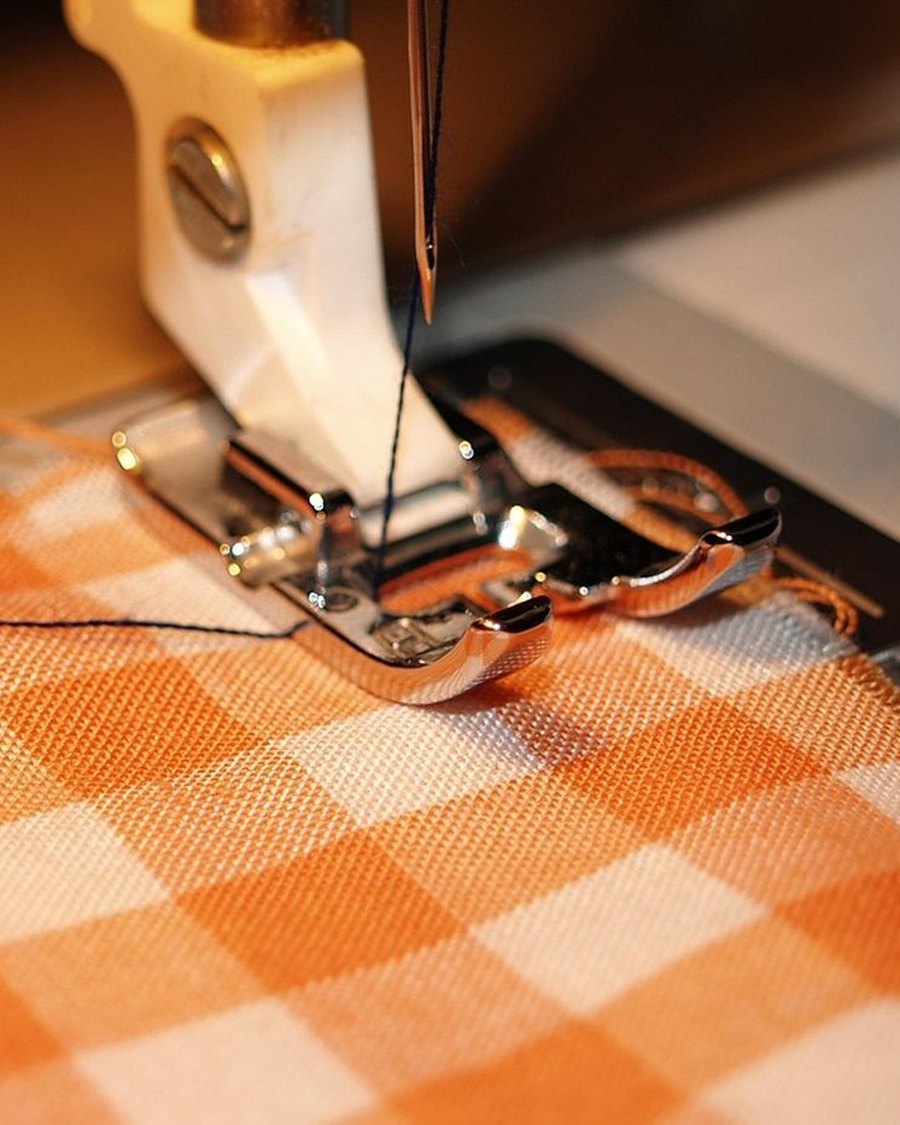
An alteration is worth paying for when it changes a measurement the garment cannot fix for itself, the seam still has somewhere to move, and the job can be undone if the result is wrong. Most of the money lost in tailoring fails one of those three tests, and the failure is usually visible in the quote before the needle goes in.
Three tests a job has to pass
The first test is whether the problem is a length or a girth. Hems, sleeve length and waist are adjustable because the garment was cut with slack at a seam. Shoulder width, armhole depth and chest are not, because adjusting them means rebuilding the panel that gives the garment its shape.
The second is the allowance: a seam can only be moved into fabric that exists. The third is proportion. A job costing more than about 30 percent of the purchase price is only worth doing on a garment you would replace at twice the cost, which is why a $45 waist job on a $60 trouser makes sense and the same job on a $40 trouser does not.
The price list, and why it varies by city
These ranges come from posted price lists at US dry cleaners and independent tailors, and they vary by roughly a third between a mid-size city and a coastal metro. Hems vary least because they take the least skill; shoulders vary most because they are priced by the hour of a workroom that can do them at all.
| Job | Typical US range | Reversible |
|---|---|---|
| Trouser hem, plain | $15-40 | Yes |
| Denim rehem, chain stitch | $20-35 | Yes |
| Waist take-in, up to 2 in | $25-45 | Yes |
| Seat or hip take-in | $40-70 | Partly |
| Sleeve, plain cuff | $20-35 | Yes |
| Sleeve, working buttonholes | $45-75 | Partly |
| Jacket waist suppression | $50-90 | Yes |
| Shoulder narrow, up to 1 cm | $90-200 | No |
| Lined coat hem | $40-75 | Yes |
| Leg opening taper | $25-45 | Partly |
Hems and lengths, where the return is
A trouser hem is the highest-return job in tailoring because it changes where the leg line ends, and nothing else at that price changes the silhouette. The measurement that matters is not the inside leg on the label but the distance from waistband to floor in the shoes you will actually wear. A hem taken with the shoes on is right; one taken from a stated inseam is a guess.
Three details decide whether the result reads as altered or merely shortened. The break: a full break folds the cloth onto the shoe, a half break touches it, no break clears it, with about half an inch more length at each step down in formality. The finish: plain, blind, or chain-stitched on denim. The allowance: an inch and a quarter left inside, so the hem can be let down later.
Denim is where the cheap job shows: a standard hem removes the original stitched edge and its fading, while a chain-stitch rehem at $20 to $35 keeps the roping but not the wear pattern.
Waist and seat, where the arithmetic ends
Taking 1 to 2 inches out of a waistband is routine. Beyond 2 inches, three things happen at once: the side pockets migrate toward the front, the seat flattens because fabric is pulled from the back, and any pleat or dart is dragged off its intended line. Past that point the job is a recut, and a recut is priced like one.
The seat is a different problem. Taking it in means opening the center-back seam and often the waistband, and it moves the pockets, which is why it starts around $40 and why the result is only partly reversible. If a trouser is loose in the waist and tight in the seat, the size is wrong and no sequence of jobs fixes both.
Sleeves and shoulders, the expensive end
Sleeve length is cheap from the cuff and expensive from the shoulder. From the cuff, the tailor turns the hem and moves the buttons: $20 to $35 plain. With working buttonholes, sometimes called a surgeon’s cuff, the buttons move up and the holes are remade, which is $45 to $75 and leaves marks where the old holes were. Working from the shoulder, correct when the cuff cannot move, costs $60 to $110 because the sleeve comes out and goes back in at the same pitch, the angle at which it hangs from the armhole.
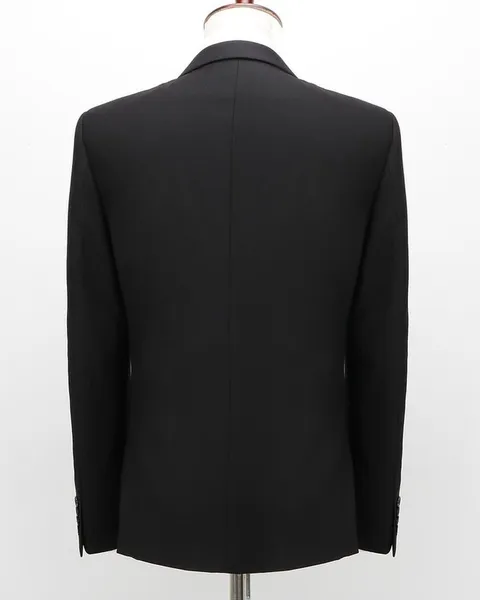
Above the sleeve sits the shoulder, where the economics stop working. Narrowing it means detaching the sleeve, recutting the armhole, trimming the pad and resetting at a new pitch. Most workrooms will not take more than 1 cm out of a ready-to-wear shoulder, and the ones that will charge $90 to $200. The stitches leave marks, the sleeve hangs differently afterward, and the job cannot be undone. The unstructured jacket is the exception worth knowing: with no pad to rebuild, the same job is simpler, though rarely cheap.
How to check the allowance before you agree
Turn the garment inside out and measure the seam you want moved, at the point where it will move most: the side seam for a waist, the center back for a seat, the hem for a length. A 1.5 cm allowance, or 5/8 inch, is the industrial standard and supports one alteration. At 1 cm there is almost nothing to work with, and at a serged and trimmed edge there is nothing at all.
Then look at the cloth. Coated cotton, patent leather, fine silk and some bonded synthetics hold a needle mark permanently, so a seam moved twice leaves a line. A stripe, check or plaid matched across a seam will break its match when the seam moves, and the break is visible from across a room.
Ask one question before leaving the garment: what happens to the cut edge. If the answer is that the allowance gets trimmed away, the job is one-way, and the garment should be one you intend to keep in its new shape.
Garments where it is a lost cause
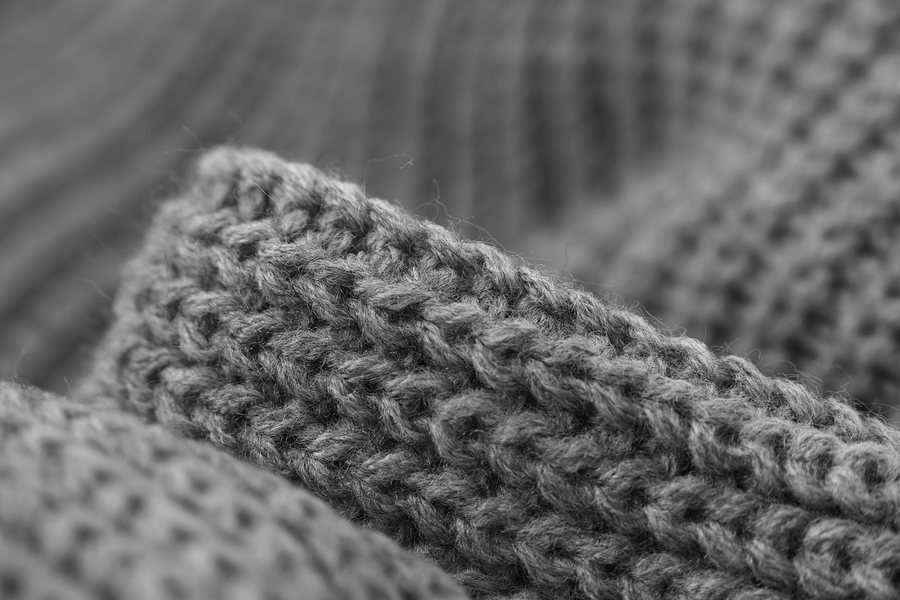
Some garments cannot be altered by anyone, at any price. Bonded and seamless knitwear has no seam to open. Drop-shoulder knits cannot be narrowed at the shoulder because the seam is not at the shoulder. Raglan sleeves have no shoulder seam at all, only a diagonal from collar to armhole that cannot be re-cut without rebuilding both panels.
Pleated skirts resist waist work, since the pleats have to be reset across the new circumference. Padded and quilted outerwear cannot be taken in without opening the channels that hold the fill, which is a manufacturing job rather than a tailoring one. Shirts cannot have their collar reduced in any way that survives a wash.
The quiet failures are the cheap ones: garments cut with 1 cm allowances throughout, common at lower price points, often cannot be let out at all, and a garment tight in the chest or short in the rise cannot be fixed by any job below it.
When to return instead
The first decision is not which alteration to buy but whether to keep the garment. Altering a piece voids most return policies, so the return window and the fitting appointment are the same decision, taken in that order. Buy for the shoulder and the chest, which cannot be changed, and alter everything below. If the shoulder seam sits past the outer edge of your shoulder, or the chest pulls at the button, no hem or waist job will help, and the size chart should have caught it before checkout.
The last check is arithmetic. Total the quote, add it to the purchase price, and compare that with a garment that already fits. Then divide by the wears you expect, which is the price-per-wear test applied to the alteration rather than the garment. A $90 jacket with a $70 waist job is a $160 jacket that fits.
Frequently asked
- Which alteration gives the most improvement for the money?
- A trouser hem. It runs about $15 to $40 at a dry cleaner or tailor and changes the leg line more than any other job at that price. Jacket waist suppression is second, at roughly $50 to $90.
- Can a jacket shoulder be narrowed?
- Technically, yes, but it means removing the sleeve, recutting the armhole and rebuilding the shoulder pad. Most shops decline anything beyond 1 cm, and the job costs $90 to $200, more than the jacket is usually worth.
- How do I know if a garment has enough seam allowance?
- Turn it inside out and measure the seam. A standard industrial allowance is 1.5 cm, or 5/8 inch. Anything at 1 cm or less leaves a tailor almost nothing to work with.