The office · Workwear
Four Signals That Make Tailoring Read as Senior
Shoulder line, sleeve length, trouser break and shoe shape decide whether tailoring reads senior, whatever the price on the label.

A jacket can cost four figures and still read as a first job. The cloth is rarely the problem. The problem is that four distances sit half an inch off, and each one is legible from across a room before anyone has registered the fabric. None of them is about youth: they are about whether the garment was chosen for the body inside it.
The shoulder seam is read before the cloth
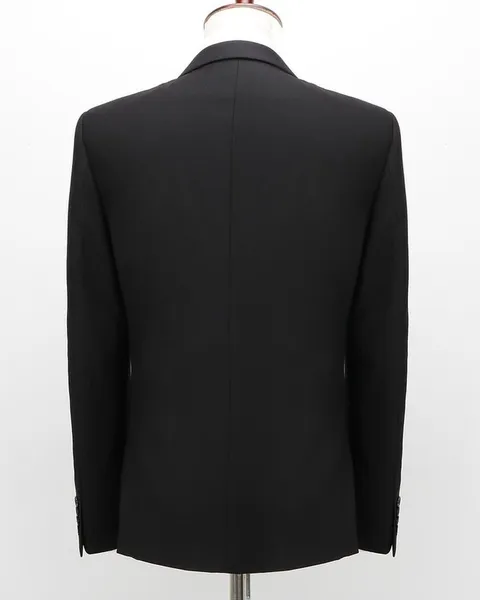
The seam should land on the acromion, the bony point at the top of the arm, or within half an inch outside it. On structured jackets a quarter inch of extension is normal and buys room for a shirt. Past half an inch the sleeve hangs off the deltoid, the arm looks short and the jacket looks borrowed. When the seam sits inboard of the bone, the back pulls and a diagonal fold runs from the neck toward the armpit.
That fold is the most reliable junior signal in tailoring and the most expensive to remove. Shortening a shoulder means opening the sleeve head, recutting the armhole and resetting the sleeve, which is a rebuild rather than an alteration; workrooms will quote more than the jacket is worth.
Padding decides how much a jacket can absorb. A structured shoulder carries a quarter to three eighths of an inch of wadding and holds its line; a soft shoulder carries almost none, follows the wearer’s slope and shows every error underneath. The set-in and drop shoulder comparison covers the same logic on knits.
Sleeve length is a wrist-bone measurement
With the arm hanging, the jacket sleeve should end a quarter to half an inch above the wrist bone, and the shirt cuff should show a quarter to half an inch beyond the jacket. A sleeve cut to the base of the thumb reads long and swallows the hand. A sleeve cut at the bone with no cuff showing reads short and makes the jacket look shrunken.
The shirt is the variable most people miss. A jacket sleeve cannot be judged without the shirt it will be worn with, because the cuff that shows belongs to the shirt. A shirt half an inch short in the arm makes a correctly cut jacket look short, and the jacket gets blamed.
Functioning buttonholes cap shortening at about three quarters of an inch, because the buttonholes are cut in place and moving them means remaking the cuff. A plain cuff can come up an inch and a half. If the sleeve needs more, the fault is higher up — armhole depth or sleeve pitch — and taking the cuff up leaves the elbow in the wrong place.
Trouser break, and the hem width that goes with it
A full break puts one fold of cloth on the shoe and reads casual. A half break, with the hem just touching, is the department-store default. No break, with the hem sitting zero to half an inch off the shoe, reads sharpest and punishes a wrong inseam, because there is no fold to absorb the error.
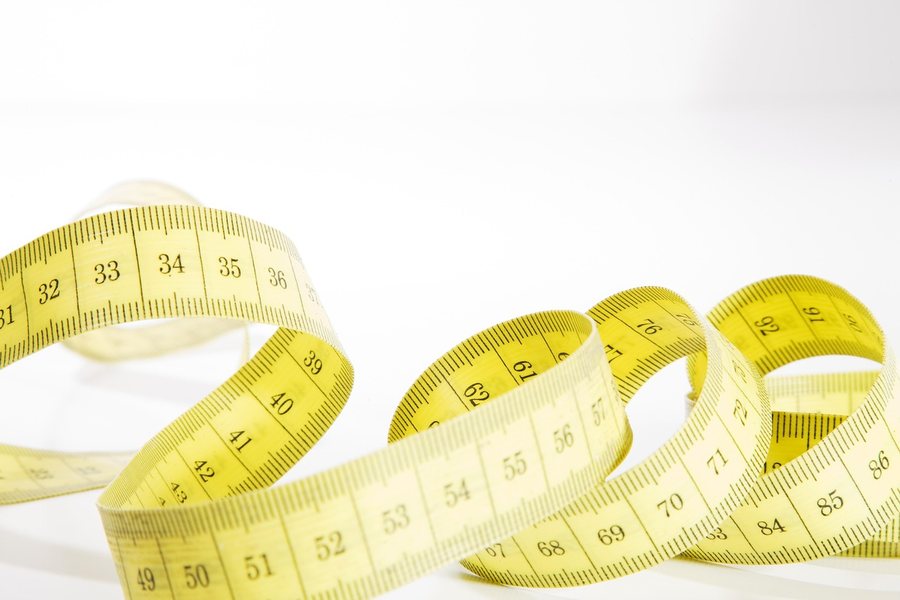
Hem width matters as much as length. A 7.5-inch opening over a derby falls clean, while an 8.5-inch opening over the same shoe stacks, because the extra cloth has nowhere to go but down. The relationship between leg opening and shoe volume is worth settling before paying for a hem, which is cut to the shoe you wear most.
Hemming is the least expensive correction in the wardrobe and moves the read further than most people expect. Tapering a leg costs more and changes the line rather than only the length.
The waist and the button stance
A fastened jacket should close without a horizontal pull. A crease radiating from the button, or an X-shaped fold across the front, means the waist is too tight or the button sits too low. Neither is a body problem: a jacket cut with more room through the waist and a higher button point closes flat on the same person.
The vent tells the same story from behind. A center vent that hangs open while the jacket is buttoned is under strain; one that lies closed and flat means the seat has room.
Waist suppression can be adjusted at the side seams, usually by an inch or so, and let out only if the jacket was made with inlay — extra cloth folded inside the seam. Most ready-to-wear jackets leave none. That is why the waist is worth checking before purchase even though it is alterable: the direction of the fix depends on cloth that is usually not there.
Shoe shape sets the hem
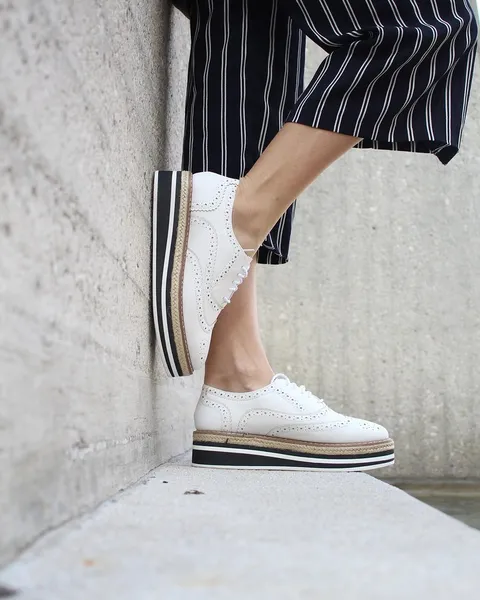
A round or almond toe on a leather sole around 10 mm keeps the line low and quiet. A sneaker with a 25 to 30 mm sole lifts the hem off the ground, which is why a no-break trouser suddenly looks cropped when only the shoe changes. The hem does not know what it is standing on; it only knows the distance to the floor.
Shoe color does similar work. A dark shoe under a light trouser creates a hard stop at the hem, which draws the eye to exactly the place where length errors show; a shoe closer in tone lets the line run to the floor.
Heel height changes the calculation. A trouser hemmed for a flat and worn with a 50 mm heel sits above the shoe and reads cropped; hemmed for the heel, it puddles over a flat.
Cloth behavior over a working day
Fit is checked in a mirror in the morning, but tailoring is read at four in the afternoon. Wool has natural crimp and recovers from compression, so a wool trouser sheds the crease from sitting after an hour on a hanger. A wool-polyester blend holds its shape but develops shine at the seat and elbow, where pressing and friction flatten the fibers.
The care burden follows the fiber. A jacket cleaned every few wears loses shape at the shoulders and the lapel roll, while brushing and airing removes most of what a dry clean would. A suit worn twice a week and cleaned twice a season outlasts one cleaned monthly.
What alterations can and cannot fix
The order of cost is hem, sleeve, waist, shoulder. A trouser hem is quick and reversible within the limits of the turn-up. A sleeve is straightforward unless the cuff has functioning buttonholes. A waist is possible within an inch or so and depends on inlay. A shoulder is a rebuild.
Trouser waistbands follow the same logic. Taking in at the center back seam removes an inch or so; letting out depends on the allowance the maker left, often a quarter inch. Seat and thigh cannot be adjusted without recutting the leg. The alterations that are worth paying for are the ones that change length and closure, not the ones that change the cut.
The order to spend money in
Fix the hem first, then the sleeve, then the waist. Those three are legible, cheap and reversible, and they account for most of the difference between a jacket that reads settled and one that reads rented. Check the shoulder before any of it: if the seam sits more than half an inch from the bone on a structured jacket, the money is better spent on a different jacket, because the alteration will cost more than the error is worth.
Frequently asked
- Does a more expensive jacket automatically read as more senior?
- No. Price buys cloth and construction, not fit. A jacket with an inch of excess sleeve and a hem that stacks on the shoe reads junior at any price, while a modest jacket with the four numbers right reads settled.
- Which of the four signals should be fixed first?
- Trouser hem, then sleeve length, then waist, then shoulder. The first two are low-cost and reversible. A shoulder that sits more than half an inch off the bone usually cannot be corrected without rebuilding the jacket.
- How much shirt cuff should show below a jacket sleeve?
- A quarter to half an inch, with the jacket sleeve ending a quarter to half an inch above the wrist bone. More than that reads as a jacket that is too short in the arm, less reads as one that has swallowed the hand.