The formula · Outfit Formulas
The Four-Piece Formula: Top, Layer, Bottom, Shoe
The four-slot method for building outfits: what each slot is, the measurement that decides it, and why a missing slot reads as nothing to wear.

A closet can hold sixty garments and still produce the sentence “I have nothing to wear.” That sentence is rarely about quantity. It is a report of a broken slot: a top with no bottom that suits its length, a coat with no shoe that survives the walk to the station, a layer that fits over a shirt and nothing else. Counting garments does not fix it. Counting slots does.
Four slots, not four items
Every outfit that holds together fills four positions: top, layer, bottom, shoe. The layer can be empty, and an empty layer is a decision rather than a failure, which is why the formula is not a rule about wearing four things at once. What it insists on is that each occupied slot answers to the one beside it.
The distinction matters because clothing is sold by category and worn by position. A shirt is a top in a shop and a layer in an outfit; a blazer is outerwear on a label and a layer in the formula. Once the slot is named, the question changes from whether the piece is good to whether it can do this job over these other pieces. A very good shirt that fits under nothing is a bad layer.
The measurement that governs each slot
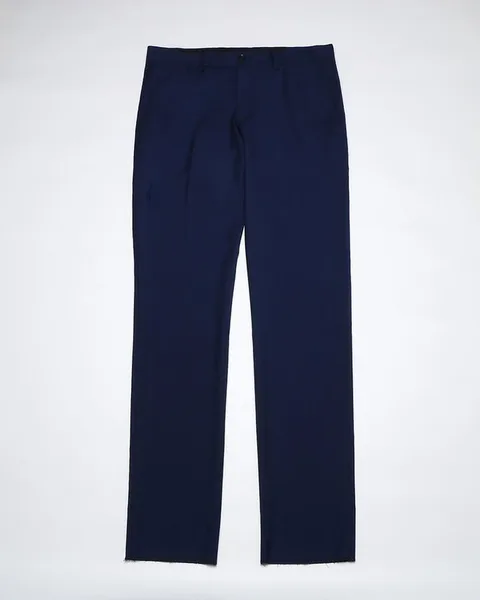
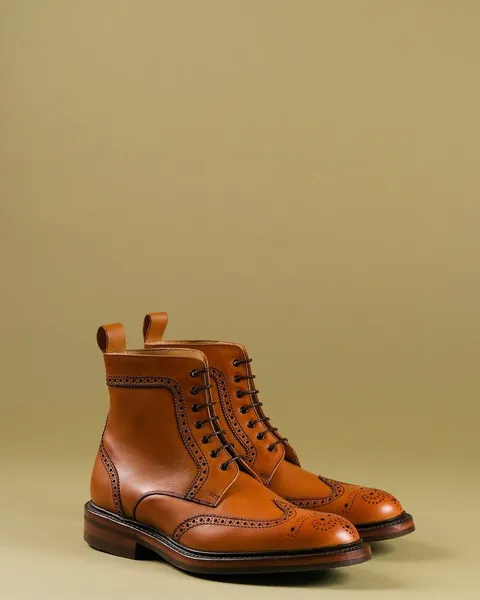
Each slot has one measurement that decides most of its behavior. A trouser is decided by front rise, from the crotch seam to the top edge of the waistband, band included. A shoe is decided by heel height, which sets how much inseam the trouser needs before the hem clears the floor. A top is decided by body length, from the high point of the shoulder to the hem. A layer is decided by chest ease: the garment’s chest circumference minus the wearer’s, with the garment flat across the chest and doubled.
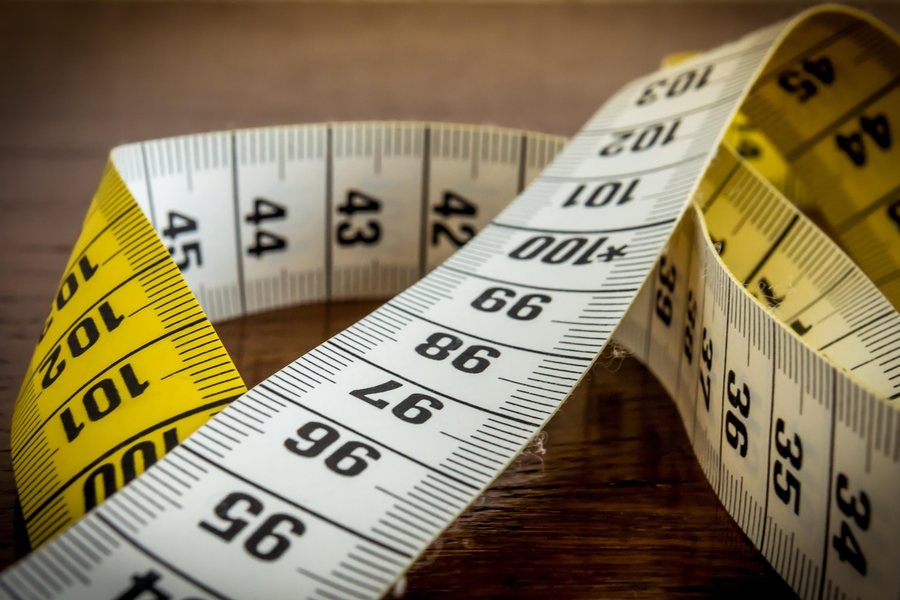
None of these is the size on the label. Labeled sizes vary by several inches between makers at the same nominal size, so a size 8 from one brand can carry the chest of a size 10 from another. A tape measure and a garment that already fits answer faster.
| Slot | Measurement | Where it is taken | Usual range |
|---|---|---|---|
| Bottom | Front rise | Crotch seam to waistband top | 9-11 in |
| Shoe | Heel height | Heel block, at the back | 0-3 in |
| Top | Body length | Shoulder point to hem | 23-27 in |
| Layer | Chest ease | Flat across chest, doubled, minus body | 2-4 in |
The ranges are wide because bodies are: a 9-inch rise is a mid-rise on a tall frame and a high rise on a short one. The number means nothing without the body it sits on.
What a thin slot does to the rest of the closet
When one slot runs thin, the garments around it stop working, and the failure is blamed on the wrong piece. Reduce the layer slot to a single navy blazer and every top is judged against that blazer alone. A 24-inch tee that ends at the hip bone works under it; a 27-inch shirt does not. The shirts get blamed and replaced. The slot was the problem.
The same happens at the bottom. Two dark straight trousers will make twelve tops look repetitive, because the eye reads the trouser before it reads anything above it. The count that matters is occupied slots in a normal week, not total garments. Six bottoms, twelve tops, four layers and three pairs of shoes gives 864 combinations before color enters the calculation. The ratio is the point, not the arithmetic, and it is the logic behind how many of each piece earn their rail space.
The ratio has a limit. A wardrobe built to it in one color is uniform rather than flexible, and a slot filled with near-identical pieces is still a thin slot.
The order of decisions
Order separates a formula from a checklist. Bottom first, because rise sets where the waist sits and every tuck and jacket-length decision is measured from that line. A 10-inch front rise puts the waistband near the navel on an average adult frame; a 9-inch rise sits an inch lower and changes which tops can be tucked.
Shoe second, because heel height sets the hem. A 2-inch heel buys roughly 1.5 to 2 inches of usable inseam before the hem clears the floor, which is why the same trouser is correct over one pair of shoes and an inch short over another.
Top third: body length clears the waistband by about 2 inches to tuck flat, or stops 1 to 2 inches above it to sit out cleanly. Layer last, because it is the only slot that must accommodate the two beneath it. This is where the three-color rule enters, since a printed top spends two of the three before the layer is chosen.
Where the formula stops working
A short torso breaks the top-versus-layer relationship. If shoulder-to-waist is short, a top long enough to tuck is also long enough to bunch under a jacket, so the layer has to be shorter rather than the top. The short-torso adjustment buys the layer first and the top to fit it, inverting the standard order.
A single-shoe wardrobe breaks the bottom decision. With one pair, heel height is fixed and every trouser is hemmed to it. That works, but it narrows the acceptable leg opening, because the wrong opening over a fixed sole looks borrowed rather than chosen.
A dress code with a jacket breaks the layer slot entirely. Where a tailored jacket is required all day, the layer is not a variable, and the formula reduces to three decisions.
What each purchase should be tested against
Bought in this order, every purchase carries a test. A bottom is tested against shoes already owned at the heel height actually worn. A shoe is tested against the trousers it will be worn with. A layer is tested against the thickest top it will cover, not the thinnest, because a jacket that fits over a shirt and not over a knit is a jacket for one season.
Most wardrobes invert the process. The layer is bought first because it is the visible piece, then the tops are replaced to fit beneath it, then the bottoms are hemmed to suit the new tops. Each step is rational; the sequence is expensive. Moving the decision upstream costs nothing, and it means the next purchase has a specification before it has a color.
What an empty slot actually costs
An empty layer is free. A thin layer is not. The cost lands in three places: the second purchase, the alteration and the return.
The second purchase is the common one. A blazer bought without checking chest ease over the knit that will sit under it either bows at the lapel or swallows the shoulder, and the fix is a different blazer rather than a different knit. Alterations are the second: sleeve length and waist suppression are routine, but shoulder width and armhole depth are not, and a jacket that needs either is a return. The return itself is free in money and expensive in time, which is why the alteration question belongs before the order rather than after it.
One measurement per slot, taken from a garment that already works and written down, removes most of the reasons a parcel goes back.
Frequently asked
- Does every outfit need a layer?
- No. The layer slot can be empty, and an empty layer is a decision rather than a failure. What matters is that the remaining three slots answer to each other, so a tee and a trouser still agree on rise, hem and shoulder line.
- Which slot should I buy first?
- The bottom, because front rise sets where the waist sits and every tuck, hem and jacket-length decision follows from it. Shoe comes second, since heel height sets how much inseam the trouser needs before the hem clears the floor.
- Why does the formula use four slots instead of three?
- Because a layer is the only slot that has to fit over two others at once. Separating it from the top makes the fit question explicit: chest ease over the thickest garment underneath, measured flat and doubled, not guessed from a size label.